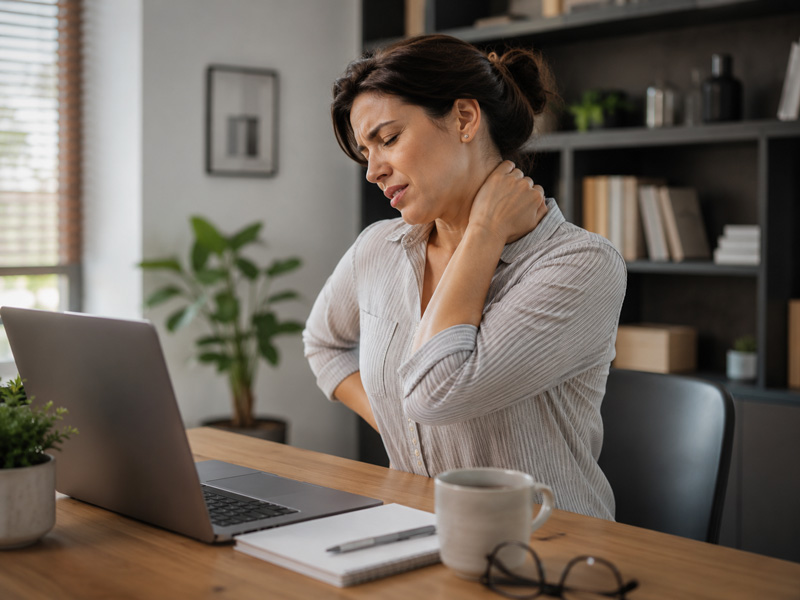

Sitting has become part of modern life. Work, commuting, screen time, streaming, online shopping, and even relaxing at home often happen in the same seated position. At first, sitting may feel harmless, but when it becomes the default posture for most of the day, the body may begin to feel the effects.
Many adults notice more stiffness, lower-back pressure, tight hips, rounded shoulders, or reduced energy after long periods of sitting. These changes usually do not appear overnight. They build slowly through repeated daily habits.
That is why posture-support tools, lumbar comfort devices, movement reminders, and desk-friendly wellness routines are gaining more attention among people who spend long hours seated.
Why Sitting Can Affect Daily Comfort
When you sit for long periods, several muscle groups stay in shortened or inactive positions. The hips may become tight, the lower back may carry more pressure, and the upper body may slowly lean forward toward a screen or desk.
Over time, this can make normal movement feel less natural. Standing up, walking, stretching, or bending may feel stiffer than expected, especially after a long workday or repeated sitting sessions.
The Posture Problem Most People Miss
The issue is not only sitting itself. The bigger problem is sitting without enough posture awareness, movement breaks, and body support. Many people start the day upright, then slowly slide forward, round their shoulders, or collapse into the chair as the hours pass.
This repeated pattern may influence lower-back comfort, neck tension, shoulder position, and overall body alignment. It can also make people feel older, tighter, and less mobile than they expect.
Posture and comfort products should be viewed as supportive wellness tools, not medical treatments. If pain is severe, persistent, or unusual, speak with a qualified healthcare professional.
How Sitting May Influence Movement Habits
Long sitting hours often reduce natural movement. Instead of changing positions throughout the day, the body remains locked into similar angles for long stretches of time. This can affect how the hips, lower back, legs, and shoulders feel later.
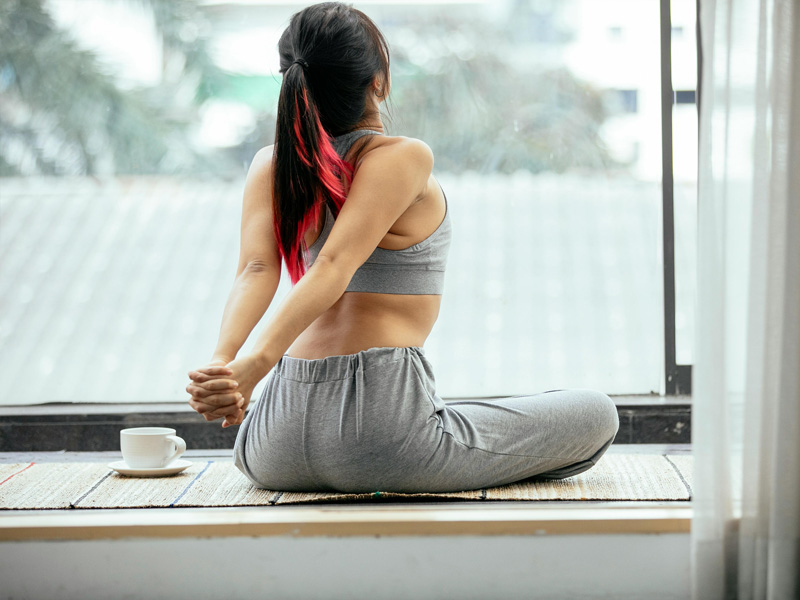
Many wellness experts encourage simple movement breaks, short walks, gentle stretching, better chair setup, and more awareness around posture during computer use. These small changes may help create a healthier daily rhythm.
Small Changes That May Help
You do not need a complete lifestyle reset to improve a sitting-heavy day. Start with small changes: stand up every 30 to 60 minutes, adjust your screen height, keep both feet grounded, avoid leaning forward for long periods, and add gentle hip and back mobility work.
For some people, lumbar posture-support tools can also help create a more comfortable seated setup and encourage better awareness during long work or driving sessions.
A Posture-Support Product That Caught Our Attention
While researching modern sitting-comfort and posture-focused wellness products, the SanovitaCare Product Research Team came across Neurontinec Lumbar Posture Support Device — a wellness tool designed around lumbar comfort, posture awareness, lower-back support, and daily sitting routines.
View Product Review →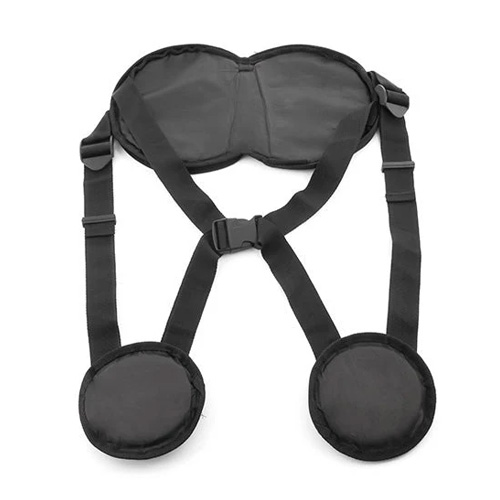
Neurontinec Lumbar Posture Support Device
What To Look For Before Buying A Posture Tool
Before choosing any posture or lumbar-support product, review the product design, comfort level, adjustability, materials, intended use, customer feedback, and return policy. A good product should be easy to understand, simple to use, and realistic about what it supports.
Posture support works best when combined with movement, stretching, better sitting habits, and a more thoughtful workstation setup. No product replaces daily awareness, but the right tool may help support a better routine.
Final Thoughts
Sitting for too many hours a day may affect posture, stiffness, lower-back comfort, and overall movement habits. The good news is that small daily changes can make the routine feel more supportive.
SanovitaCare will continue researching posture-support tools, sitting-comfort trends, and practical wellness strategies that help readers make smarter everyday choices.