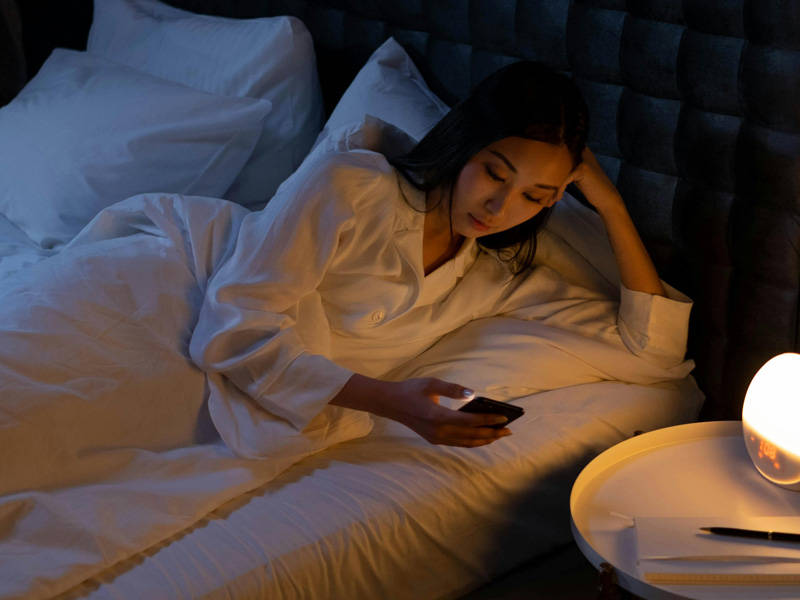
Better sleep often starts before your head touches the pillow. For many adults, small evening habits can influence how calm the body feels, how comfortable the bedroom is, and how prepared the mind feels for rest.
While there is no single routine that works for everyone, a more consistent evening rhythm may help signal to your body that it is time to slow down. The goal is not perfection, but creating a simple pattern that feels realistic and easy to repeat.
From reducing screen exposure to improving bedroom comfort, the habits below may help support better sleep quality as part of a broader healthy lifestyle routine.
Why Evening Habits Matter
Your evening routine can shape the final hours before sleep. Bright screens, late caffeine, irregular bedtimes, stress, and an uncomfortable sleep setup may all make it harder to wind down.
A calmer routine gives your body fewer distractions and may help make bedtime feel more predictable. This is especially important for people who work long hours, spend much of the day on devices, or struggle to fully disconnect at night.
Reduce Screen Exposure Before Bed
Many people scroll on phones, tablets, or laptops right up until bedtime. While this is common, screen time can keep the mind alert and make it harder to mentally shift into rest mode.
A simple approach is to create a short screen-free window before sleep. Even 20 to 30 minutes away from constant notifications may help the evening feel quieter and more intentional.
Create A More Consistent Sleep Schedule
Going to bed and waking up at very different times each day can make your routine feel less stable. A consistent schedule may help your body recognize when it is time to relax and when it is time to wake up.
This does not mean every night has to be perfect. Instead, try to keep your general bedtime and wake time within a similar range whenever possible.
Sleep problems can have many causes. If poor sleep is severe, persistent, or affecting your daily life, it is always best to speak with a qualified healthcare professional.
Make Your Bedroom More Sleep-Friendly
Your sleep environment matters. A dark, quiet, cool, and comfortable room may help support a better nighttime routine. Simple changes like reducing light, limiting noise, choosing breathable bedding, and keeping the room tidy can make the bedroom feel more restful.
Comfort is also important. If your pillow or sleeping position leaves your neck and shoulders feeling unsupported, it may be worth reviewing your sleep setup as part of your evening wellness routine.
Use A Relaxation Ritual
A short relaxation ritual can help separate your day from your night. This may include light stretching, reading, calming music, journaling, breathing exercises, or preparing tomorrow's priorities before bed.
The best routine is usually the one you can repeat. A simple 10-minute ritual is often more useful than a complicated routine that feels difficult to maintain.
A Sleep Product That Caught Our Attention
While researching products related to sleep comfort and nighttime wellness routines, the SanovitaCare Product Research Team came across the Derila Ergo Memory Foam Pillow — an ergonomic pillow designed around memory foam comfort, sleeping posture support, and a more comfortable sleep environment.
View Product Details →
Derila Ergo Memory Foam Pillow
Review Your Pillow And Sleep Position
Many people focus on bedtime habits but forget the basics of physical comfort. Your pillow, mattress, room temperature, and sleep position can all influence how rested you feel in the morning.
A supportive pillow may help keep the head, neck, and shoulders in a more comfortable position during sleep. This can be especially relevant for side sleepers, back sleepers, or anyone who wakes up feeling stiff around the neck area.
Final Thoughts
Simple evening habits may help support better sleep quality by making bedtime feel calmer, more consistent, and more comfortable.
Start with one or two small changes, such as reducing screen time, creating a regular bedtime window, or improving your sleep environment. Over time, these small habits may become part of a stronger nighttime wellness routine.