
Cold showers and ice baths are not exactly new. Athletes, wellness enthusiasts, and traditional recovery routines have used cold exposure for years. But recently, this trend has returned in a bigger way — showing up across social media, morning routines, fitness channels, and at-home wellness conversations.
For many people, the appeal is simple. Cold routines feel intense, memorable, and easy to understand. They also fit into the growing interest around recovery, discipline, resilience, and natural-feeling wellness habits.
While not everyone is ready to jump into an ice bath, the broader trend shows something important: more adults are looking for practical ways to support how their body feels after long days, workouts, sitting, stress, or repeated physical strain.
Why Cold Exposure Became Popular Again
One reason is visibility. Cold plunges, ice baths, and cold showers are easy to film, easy to explain, and easy to turn into a challenge or routine. People see others doing them online and become curious about how cold exposure might fit into their own lifestyle.
Another reason is the larger recovery movement. People are paying more attention to sleep, mobility, soreness, stress, circulation habits, and post-workout routines. Cold exposure naturally fits into that conversation.
The Recovery Routine Angle
Cold showers and ice baths are often discussed as part of a recovery-focused lifestyle. For some, it is about feeling refreshed in the morning. For others, it is about creating a structured routine after exercise or using cold as a way to feel more mentally alert.
The important point is that most people are not looking for complicated systems. They want simple, repeatable habits that feel like they are doing something positive for their body.
Cold exposure is not appropriate for everyone. People with medical conditions, heart concerns, circulation issues, or unusual symptoms should speak with a qualified healthcare professional before trying intense cold routines.
Why Cooling Sensation Products Are Also Getting Attention
Not everyone wants or needs a full ice bath. This is one reason cooling comfort products are becoming more common in at-home recovery routines. These products are often positioned around temporary comfort, cooling sensation, post-activity support, and daily mobility habits.
For someone who is interested in recovery but does not want an extreme routine, a cooling topical product can feel more approachable. It fits into a simple wellness routine without requiring special equipment, a bathtub full of ice, or a major time commitment.
How To Think About Cold Routines Realistically
Cold showers and ice baths may feel powerful, but they should still be approached carefully. Starting small, listening to your body, avoiding extremes, and focusing on consistency is usually more realistic than copying the most intense version seen online.
The same idea applies to any recovery-support product. It should fit into a balanced routine that may also include movement, rest, hydration, stretching, better sleep habits, and healthy lifestyle choices.
A Cooling Recovery Product That Caught Our Attention
While researching modern cooling and recovery-focused wellness products, the SanovitaCare Product Research Team came across ArcticBlast — a topical comfort-support formula designed around cooling sensation, temporary comfort support, recovery routines, and everyday mobility habits.
View Product Review →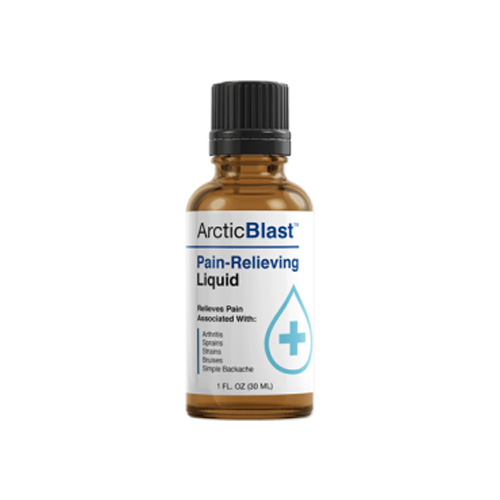
ArcticBlast
What To Look For Before Trying A Cooling Product
Before using any topical comfort product, review the ingredient list, directions, safety notes, refund policy, and how the product explains its benefits. Avoid products that make unrealistic promises or sound too extreme.
Cooling products should be used as part of a broader comfort routine, not as a replacement for professional medical advice or healthy daily habits.
Final Thoughts
Cold showers and ice baths are trending again because they represent something many people want: simple routines that feel active, energizing, and recovery-focused.
Whether someone chooses cold exposure, gentle cooling products, stretching, better sleep, or more movement, the real value often comes from building consistent routines that support daily comfort and better living.