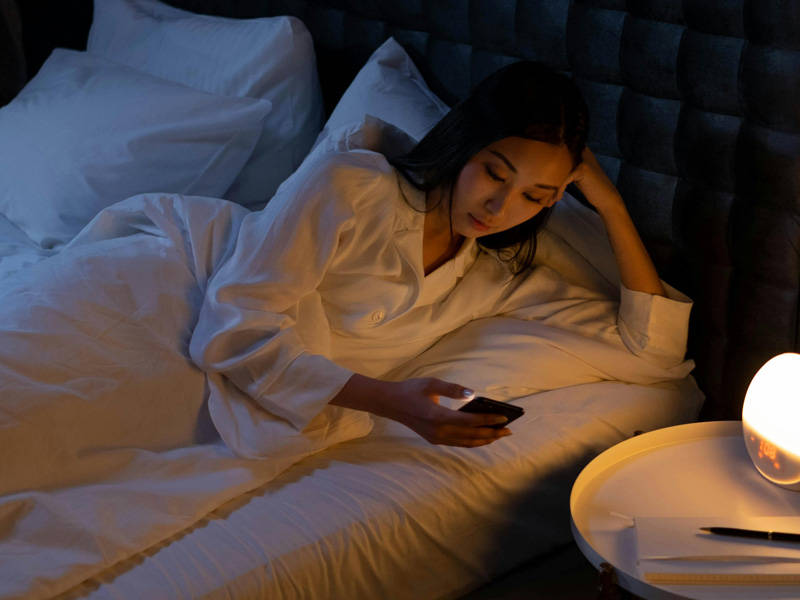
Better sleep is not only about going to bed earlier. The environment around you can also play an important role in how easily you relax, how comfortable your body feels, and how refreshed you may feel the next morning.
Many adults focus on evening habits such as screen time, caffeine, or bedtime consistency, but overlook the physical setup of the bedroom. A supportive pillow, comfortable mattress, calm lighting, cooler air, and reduced noise may all help create a more sleep-friendly space.
When your sleep environment works with your body instead of against it, it may become easier to settle down, stay comfortable, and support a healthier nighttime routine.
Why Your Bedroom Setup Matters
Your bedroom is more than just a place to sleep. It is the space where your body tries to recover from the day, release tension, and prepare for the next morning.
If the room is too bright, too warm, too noisy, or physically uncomfortable, your body may have a harder time settling into a calm sleep routine. Over time, these small details may influence how rested and comfortable you feel.
The Role Of Your Pillow And Mattress
A pillow and mattress can affect how the head, neck, shoulders, and spine are supported during the night. If your pillow is too flat, too high, or no longer supportive, it may leave your neck and shoulders feeling less comfortable by morning.
The goal is not to create a perfect sleep setup overnight. A better approach is to look at the basics first: whether your pillow supports your usual sleeping position, whether your mattress feels balanced, and whether your body can relax without unnecessary pressure.
Sleep products should be viewed as wellness support tools, not medical treatment. If sleep problems, pain, or discomfort are severe, persistent, or unusual, it is best to speak with a qualified healthcare professional.
Light, Temperature, And Noise
The sleep environment also includes light, temperature, and sound. Bright lights in the evening, a warm room, or constant background noise may make it harder for some people to fully relax before bedtime.
Simple adjustments may help. Dimming lights before bed, keeping the room cooler, reducing unnecessary noise, and limiting bright screens close to bedtime can support a calmer evening atmosphere.
These changes are small, but they can help signal to the body that the day is ending and that it is time to slow down.
A Sleep Comfort Product That Caught Our Attention
While researching products connected to sleep comfort and bedroom setup, the SanovitaCare Product Research Team came across the Derila Ergo Memory Foam Pillow — an ergonomic pillow designed around memory foam comfort, neck support, and sleep posture alignment.
View Product Review →
Derila Ergo Memory Foam Pillow
How To Build A More Sleep-Friendly Space
Start with the areas that affect comfort the most. Review your pillow, mattress, bedding, room temperature, light exposure, and evening noise levels. Small changes may be easier to maintain than a complete bedroom redesign.
A more sleep-friendly bedroom should feel calm, comfortable, and easy to return to each night. The best setup is usually the one that supports your body, fits your lifestyle, and helps you repeat healthier evening habits consistently.
Final Thoughts
Your sleep environment matters because sleep quality is influenced by more than just bedtime. The pillow you use, the mattress you sleep on, the temperature of the room, and the overall comfort of your bedroom may all play a role in nightly rest.
As more adults look for practical ways to improve daily recovery and wellness, SanovitaCare will continue researching simple bedroom upgrades, sleep-support tools, and healthy routines that may help people make smarter wellness choices.